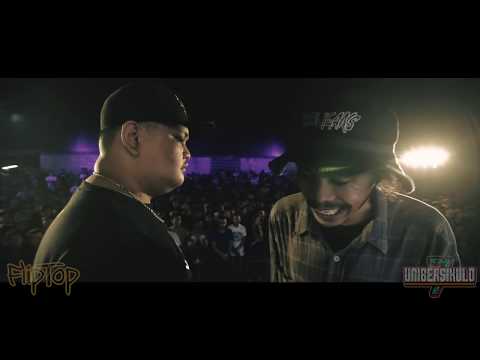
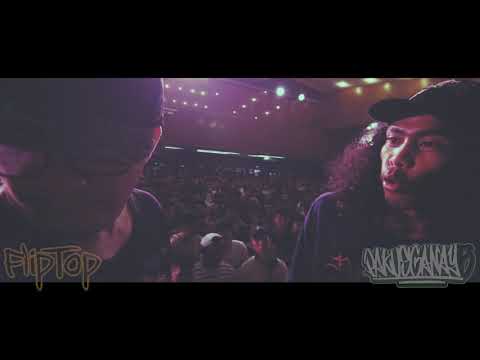
IlayavsEmar Industriya
Votes
Be the first member to on this battle!
Community Verdict
Emar Industriya edges out the battle through sustained philosophical cohesion, razor-sharp wordplay, and haunting thematic continuity across all three rounds. While Ilaya commands stronger stage volume, theatrical energy, and pop-culture or historical framing, Emar Industriya's introspective identity deconstruction and precision-cut metaphors leave a deeper lasting impression on rewatches and among technical lyricism fans.
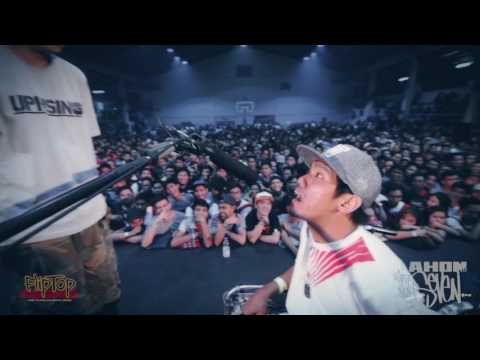
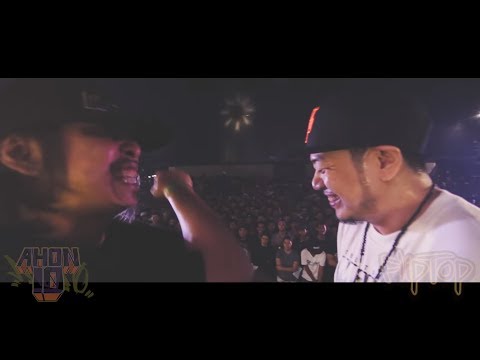
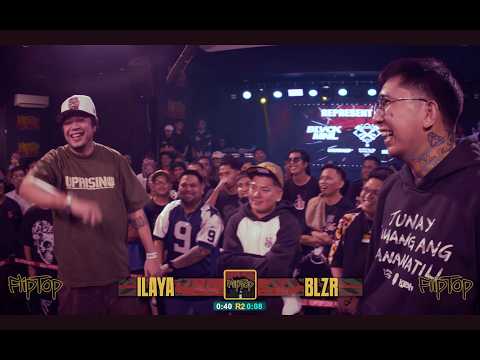
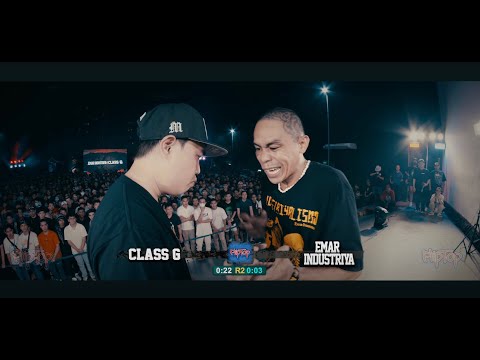
Recorded on FlipTop's Ahon 8 Day 2 stage, this clash between Uprising brethren Ilaya and Emar Industriya stands out for its focus on poetic craft, metaphor, and philosophical themes rather than personal mudslinging or shock value. Ilaya brings unmistakable stage volume, assertive hand gestures, and structured round themes—moving from direct battle critiques to 90s pop-culture references and historical imagery—while Emar Industriya approaches the mic with a quieter, deliberate cadence that prioritizes layered wordplay and conceptual depth.
In the live room, the contrast in styles creates a quiet, attentive atmosphere that some viewers read as low crowd energy while others interpret as spectators absorbing dense lines. Judges split their votes—with some favoring Ilaya's stage command, punchy references, and round-two momentum, and others gravitating toward Emar Industriya's originality and precision—reflecting how closely matched the two approaches are.
Online, the community largely treats the battle as an underappreciated gem of pure lyricism and balagtasan spirit. Even fans who note that the crowd stayed subdued or that some stretches felt heavy to process consistently praise both emcees for keeping the competition focused on penmanship and respect, with Emar Industriya's razor-sharp phrasing giving him a narrow overall nod.
- Viewers widely praise the battle for prioritizing poetic lyricism, wordplay, and respect over personal attacks or profanity.
- Many commenters highlight Emar Industriya's 'ikaw' lines and 'wala kang ulo' visual as standout moments of sharp writing.
- Fans appreciate Ilaya's 90s references, structured round concepts, and strong stage command across the match.
- Long-term viewers continue to revisit the battle years after its upload, calling it an underrated display of Uprising penmanship.
- Several commenters note that the live crowd stayed quiet and failed to react strongly to technical and poetic lines.
- A few viewers observe that the heavy, spoken-word cadence requires close listening and can feel dense or slow-paced on a first watch.
- Some fans point out that repetitive stretches in the third round slightly dampen late momentum.
Discussions
No Discussions Yet
Be the first to start a breakdown thread, share your round scores, or drop your take on this battle.